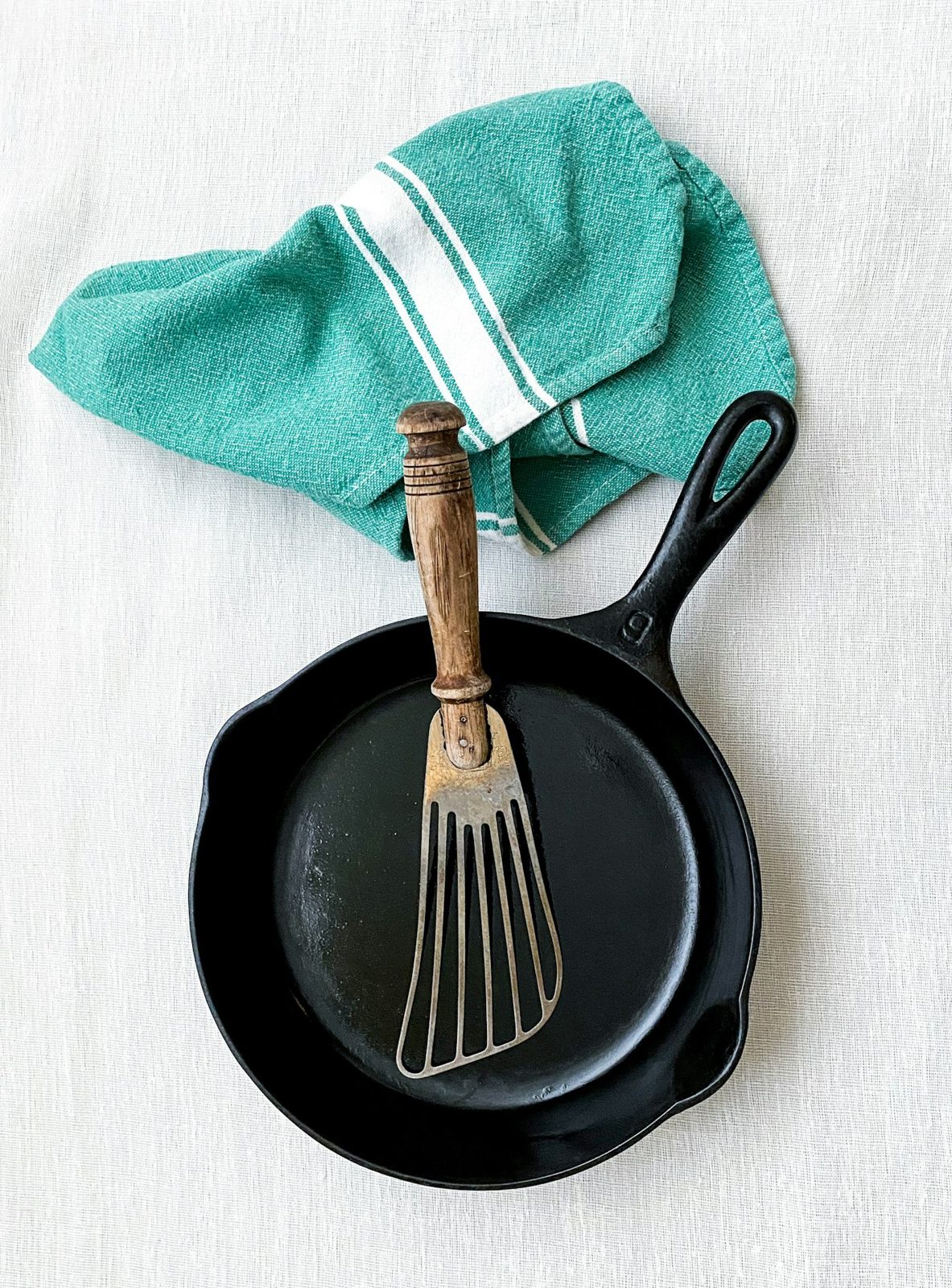
If you can only own one 12 inch skillet, buy the Lodge cast iron when you sear meat, bake cornbread, or want a pan that survives anything. Buy the All-Clad D3 when you cook sauces, eggs, and acidic food, and you want a lighter pan. We did not cook with either one. This comparison comes from specs, owner reports, and how each pan suits the job.
The differences that matter
| Lodge 12 inch cast iron | All-Clad D3 12 inch | |
|---|---|---|
| Material | Pre-seasoned cast iron | Stainless steel over an aluminum core |
| Weight | Heavy, about 8 pounds | Much lighter, about 3 pounds |
| Heat | Slow to warm, holds heat for a long time | Heats fast, reacts fast when you turn it down |
| Acidic food | Can strip the seasoning and taste metallic | No problem |
| Care | Hand wash, dry, oil lightly | Dishwasher safe, but hand washing keeps it bright |
| Sticking | Gets better as the seasoning builds | Food sticks unless the pan and oil are hot |
| Price band | The budget pick | One of the most expensive pans in this category |
| Oven and stovetop | Any heat, including a campfire | Any stovetop including induction, oven safe |
When the Lodge wins
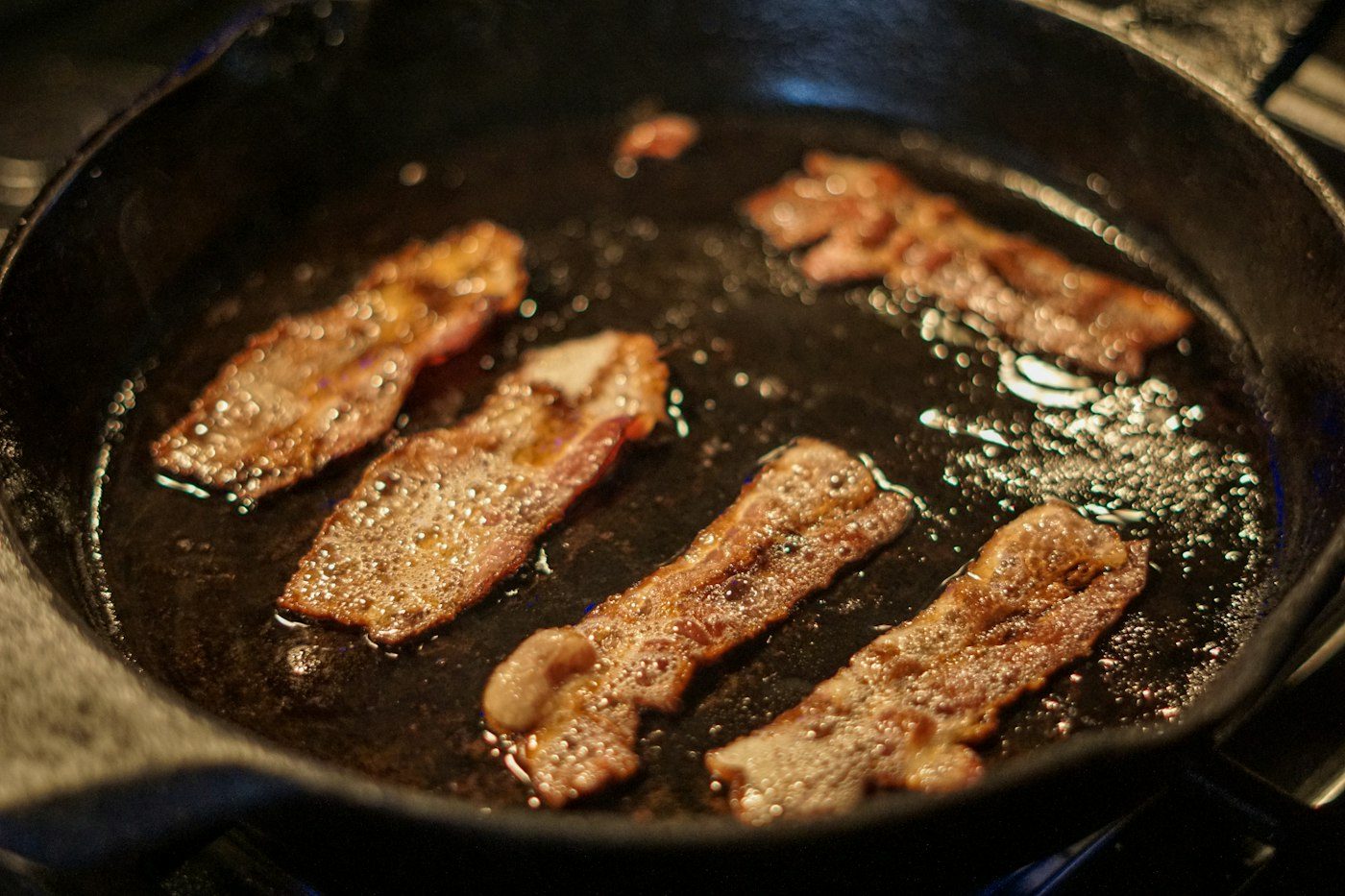
Choose the Lodge when the pan will mostly sear. Steaks, burgers, chicken thighs, and smash patties all want a pan that stays hot after the food lands on it. Cast iron does that better than a lighter pan.
It also suits a cook on a tight budget. The Lodge costs a fraction of the All-Clad and has no coating to wear out. If it rusts, you scrub it and season it again.
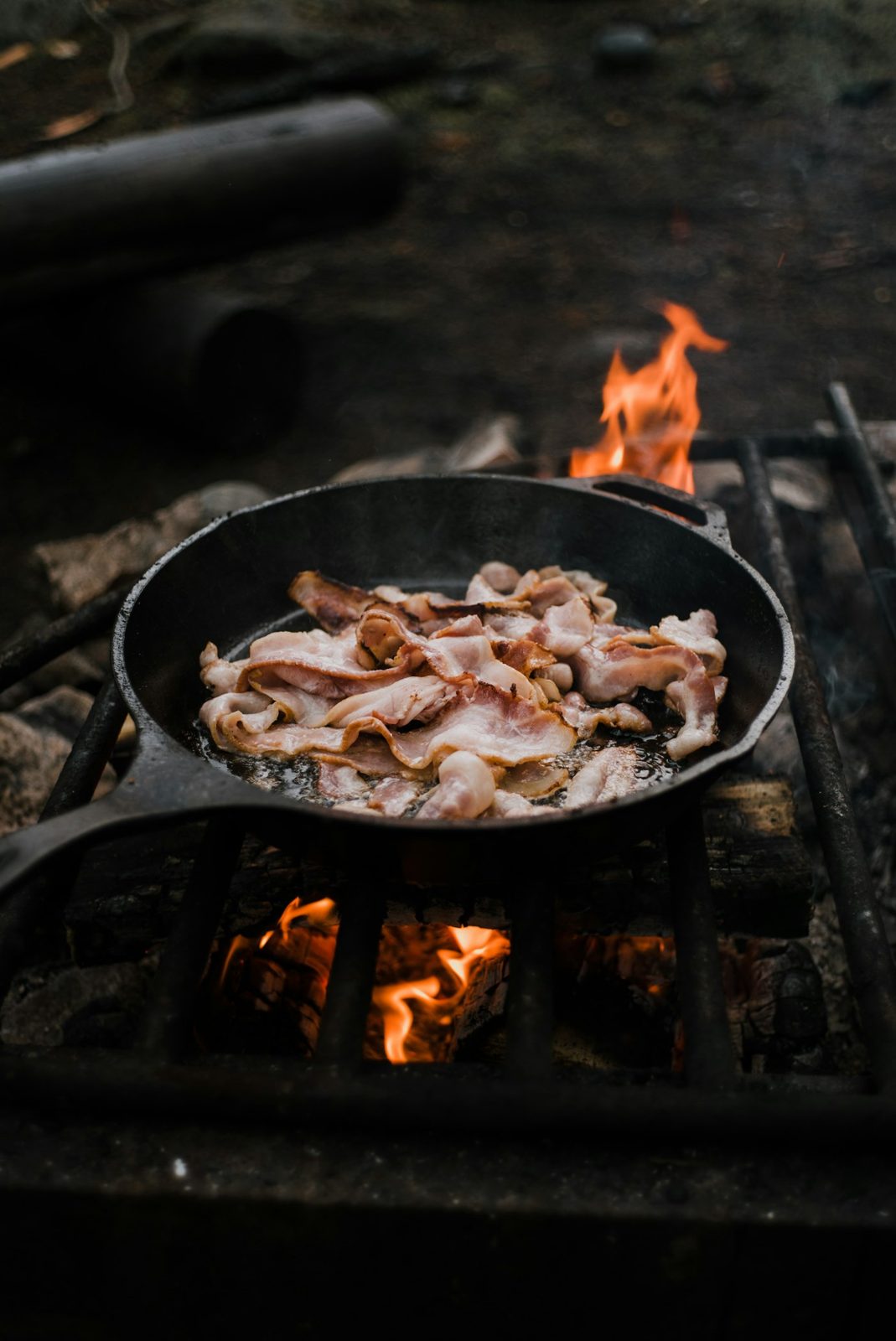
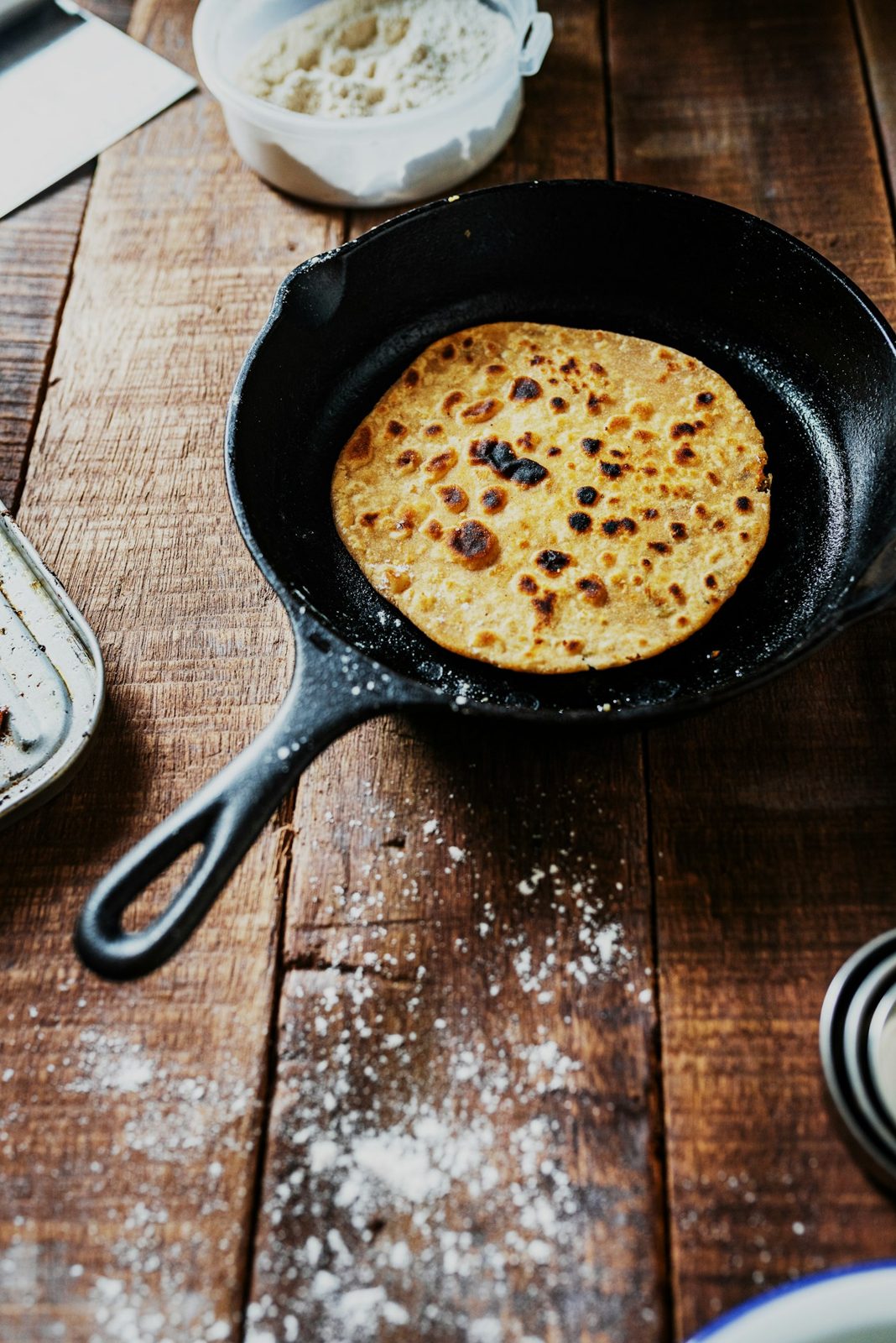
Baking is the other strong case. Cornbread, skillet cookies, and frittatas that go from stove to oven all work well. A gas range, an electric coil, or a grill grate is fine.
The cost is weight and upkeep. At about eight pounds, it is hard to flip a pan of food with one hand. You must dry it after washing, and you should not soak it.
When the All-Clad D3 wins
Choose the All-Clad when you want one pan for most of the week. The aluminum core spreads heat evenly, and the stainless surface does not care about tomato sauce, wine, or lemon. You can sear a chicken breast, build a pan sauce on the browned bits, and put the pan in the dishwasher.
It is also the better pan for anyone who cannot lift heavy cookware. At about three pounds, it moves easily from burner to sink. Induction cooktops work with it.
The cost is price and technique. Stainless sticks when you rush it. Heat the pan first, add the oil, then add the food, and the sticking mostly goes away. Eggs stay a little harder than in a seasoned or coated pan.
Who should buy neither
Skip both if you cook mostly eggs and delicate fish for one person. A non-stick pan in the 8 to 10 inch range does that job with less work, and you replace it every few years without much pain.
Skip both if you have a small household and a small stove. A 12 inch pan is big for one or two people. Also skip cast iron if you will not dry it after washing, and skip stainless if you hate preheating. A pan you avoid using is not a good pan.