Three kinds of pan cover most of what a home cook does, and each one is good at a different job. This page helps you pick which to buy first. The short answer: buy the Lodge 12 inch cast iron skillet. It is the cheapest of the three, it is hard to ruin, and it handles eggs, steak, cornbread and roasted vegetables. Buy the All-Clad D3 skillet next if you want pan sauces. Buy the Le Creuset Dutch oven when you start making braises, stews and bread.
We have not tested these pans. This page compares materials, construction, owner reports and return reasons, and checks each pan against the job it is meant to do.
Our picks
- Best first pan: Lodge 12 inch cast iron skillet. It comes seasoned, it takes high heat, and it gets better with use. It is the lowest cost of the three by a wide margin.
- Best for searing and sauces: All-Clad D3 12 inch skillet. Stainless steel with an aluminum core heats evenly and lets food leave browned bits on the pan. Those bits become a sauce in under a minute.
- Best for braises and bread: Le Creuset enameled cast iron Dutch oven. A heavy pot with a tight lid. It holds heat for long, slow cooking and for baking bread in a hot, closed space. It is the most expensive pick here.
How we chose
We looked at what a pan has to do in a normal week: brown meat, cook eggs, make a sauce, finish a dish in the oven, and survive being washed. Heat holding and heat spread mattered most. Care came next, because a pan you dread cleaning stays in the cupboard.
We ignored non-stick pans on purpose. Their coatings wear out, and these three materials last for decades if you treat them well. We also ignored sets. Most cooks use one or two pans for nearly everything, and a set often adds pieces you will not touch.
Weight and oven safety also counted. A heavy pan is a trade: it holds heat well, but it is harder to lift with one hand. All three here go in a hot oven, which opens up recipes that start on the stove and finish in the oven.
Here is the quick way to choose. If you cook simple meals and want one pan, take cast iron. If you cook with wine, tomatoes and lemon, and you like a sauce on the plate, take stainless. If your best meals take three hours in the oven, take the Dutch oven. Many cooks end up with two of the three, and a few own all of them.
Lodge 12 Inch Cast Iron Skillet
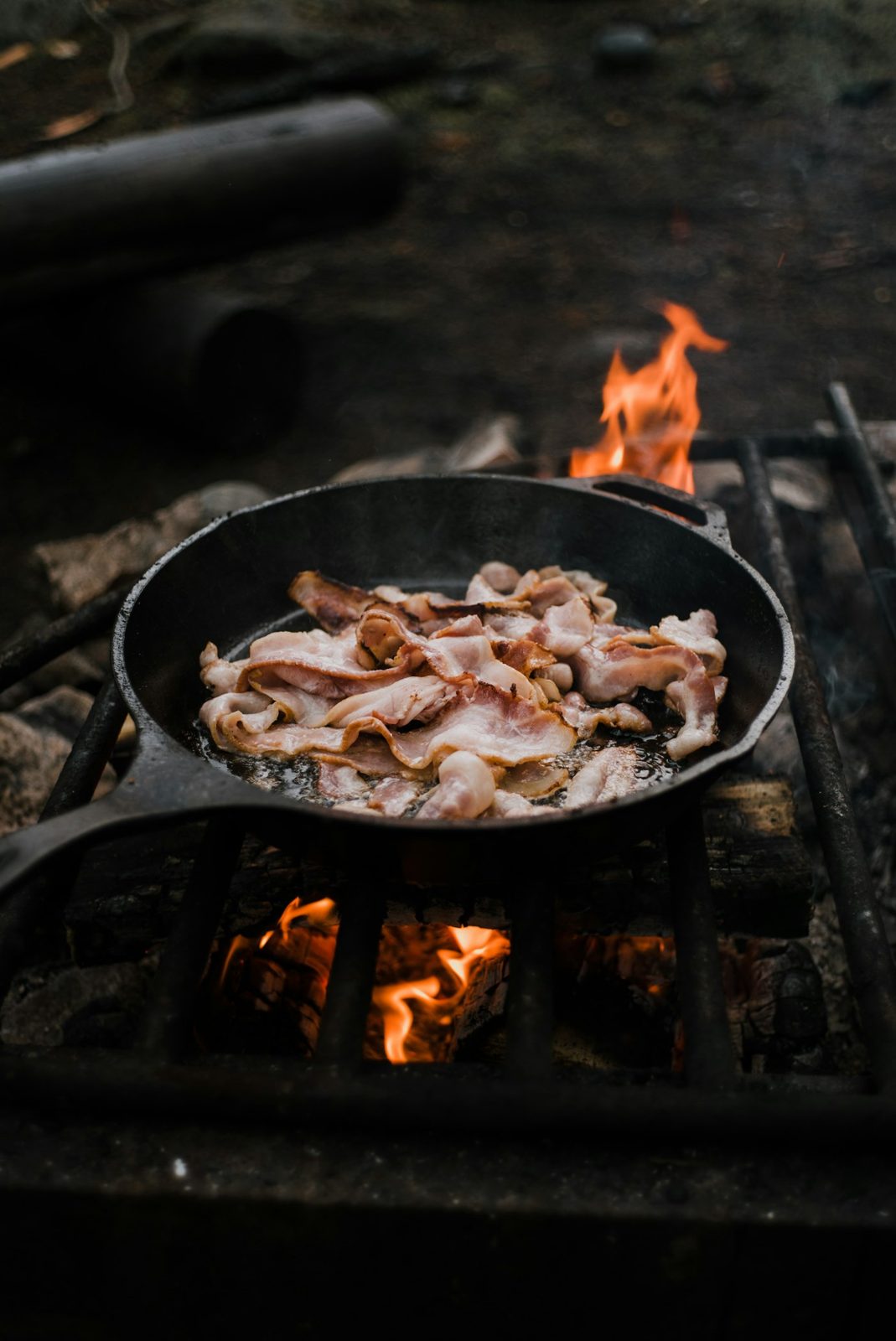
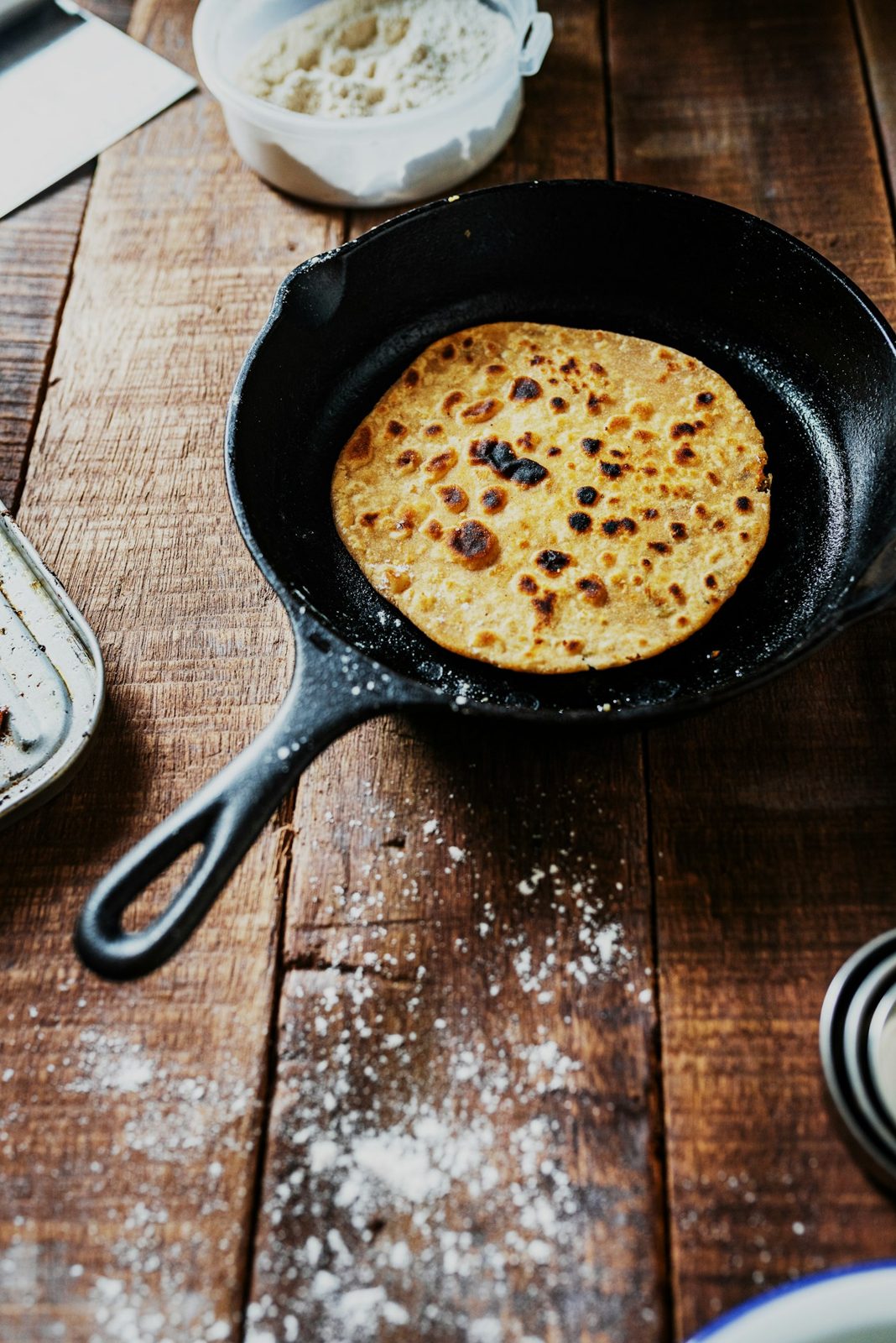
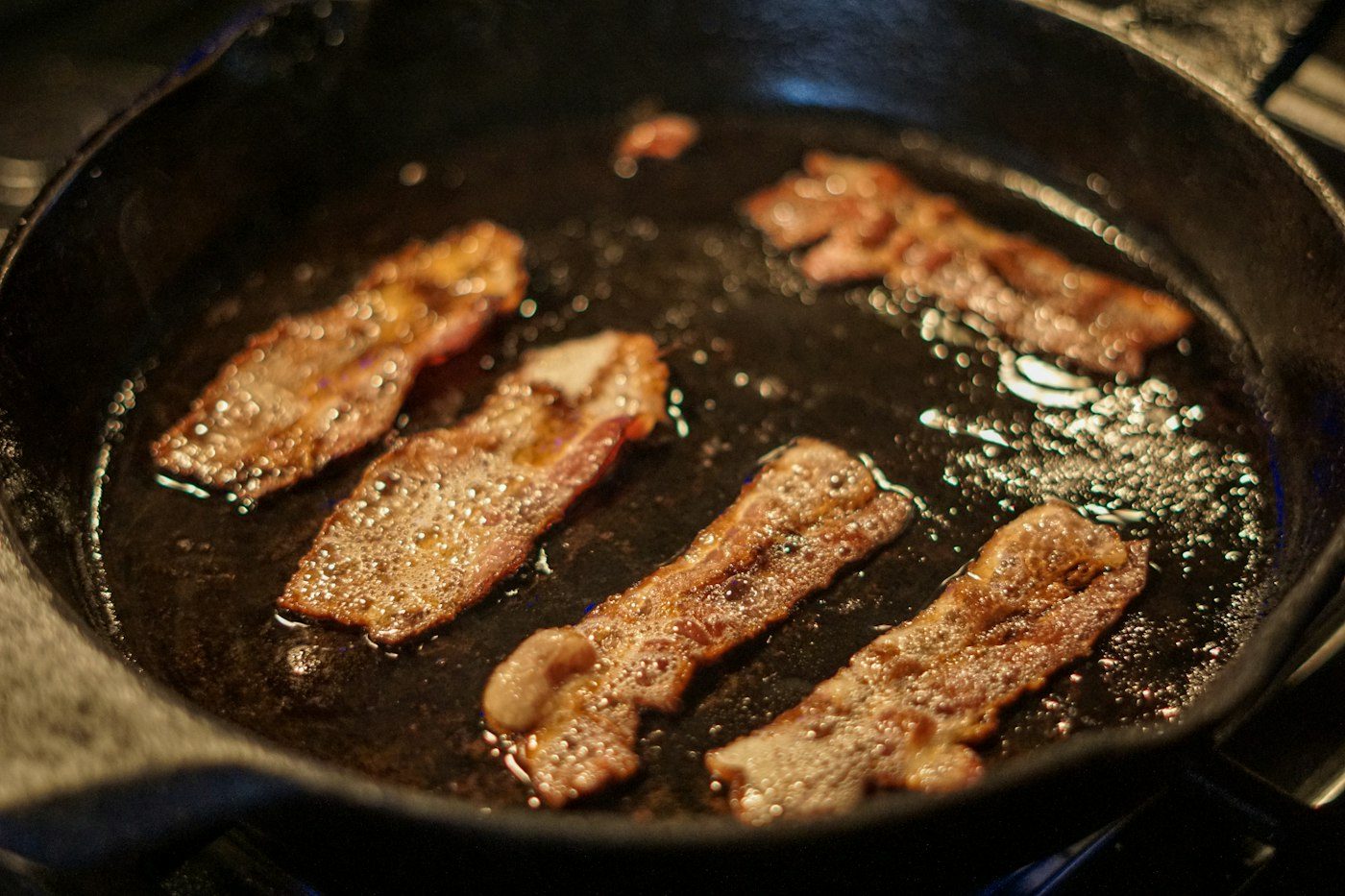
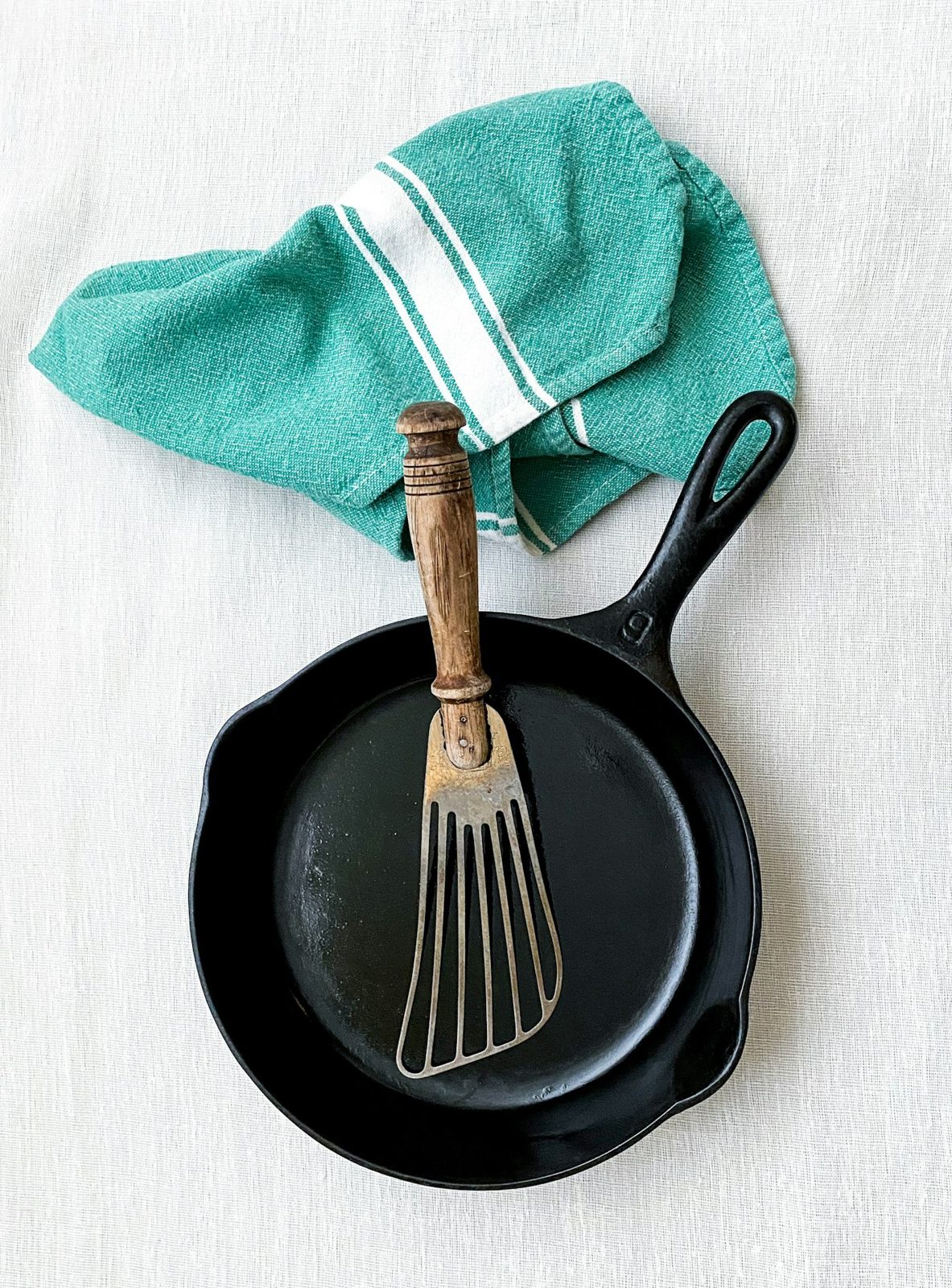
The Lodge is the best first pan because it asks the least of you. It arrives pre-seasoned, so you can cook in it the day it shows up. Cast iron holds heat very well, which means a steak does not drop the pan temperature the moment it hits the surface. That gives you a good crust. It handles a hot oven for roasting potatoes or finishing a pork chop. It also goes from stove to oven to campfire without complaint.
At 12 inches, it fits four chicken thighs or a family-size cornbread. The weight is close to eight pounds, which is a lot. You will feel it when you lift it with food in it. That is the real drawback, along with the need to dry it and rub on a thin coat of oil after washing.
Skip the Lodge if you have a wrist problem or you will not do the small amount of care it needs. Also skip it for long simmers of tomato sauce or wine sauces, which can strip the seasoning and add a metallic taste. If you cook those often, the stainless pan or the Dutch oven is a better fit.
All-Clad D3 Stainless Steel 12 Inch Skillet
The D3 has three layers: stainless steel on the inside and outside, with aluminum between them. The aluminum spreads heat across the pan, and the stainless gives a surface that does not react with acidic food. It is lighter than cast iron, so you can toss and tilt it, and it responds quickly when you turn the heat up or down.
This is the pan for searing and sauces. When meat browns, it leaves a dark layer on the pan. Add wine or stock, scrape, and you have a sauce. Cast iron can do this, but stainless is cleaner and does not mind acid.
The drawback is a learning curve. Food sticks if you add it to a cold pan or an under-heated pan, and eggs are hard at first. You need to preheat, use enough fat and wait for the food to release. It is also costly for a skillet. Cleaning is not hard, but burned-on food needs a soak and a scrub, and the pan can show heat tint over time. That is cosmetic.
Skip the D3 if eggs are your main use, or if you do not want to learn heat control. A cast iron pan forgives more mistakes. Skip it too if you want a pan that tolerates being left to soak.
Le Creuset Enameled Cast Iron Dutch Oven
A Dutch oven is a heavy pot with a lid, and the enamel coating on this one means you do not season it. You can simmer tomatoes and wine in it without harm. The thick walls hold steady heat, which suits braised short ribs, chili, soup and pot roast. It is also the standard vessel for no-knead bread: the closed, hot pot traps steam and gives a crisp crust.
It is a pot more than a pan, so it will not replace a skillet. You cannot flip a fried egg in it with ease, and the sides are tall. It is heavy, and the enamel can chip if you bang a metal tool against it or drop it. Light-colored interiors also stain with use.
It is also the most expensive of the three, and that is the main drawback. Skip it if you rarely make soups, stews or bread, or if you have limited storage. A basic stockpot does the soup job for less. Buy it when you know you cook slow, one-pot meals. The weight of the lid and pot together is real, so check that your shelf can hold it and that you can lift it full with both hands.
What to know before you buy
Which pan should I buy if I can only afford one? The Lodge cast iron skillet. It covers the most jobs for the least money, and it lasts.
Can I use metal tools on these pans? Yes on cast iron and stainless. On enameled cast iron, use wood or silicone, because metal can scratch or chip the enamel.
Do I need to season cast iron? The Lodge comes pre-seasoned. Keep it up with a thin coat of oil after washing and drying. Hot, soapy water is fine for cleaning.
Will stainless steel stick? It can. Heat the pan first, add fat, and let the food release on its own. Soak and scrub if food burns on. Most cooks stop having trouble after a week or two of practice.
Do these work on induction? Cast iron and enameled cast iron do. Stainless depends on the model, so check the listing for induction before you buy.