A good home coffee setup needs fewer parts than the internet suggests. This page decides what to buy, and in what order, if you are starting from a drip machine or instant coffee. The short answer: buy the Baratza Encore grinder first, because fresh ground beans improve every cup you make. Add the Fellow Stagg EKG kettle if you want pour over. Treat the Breville Bambino espresso machine as an upgrade for later, not a starting point.
We have not tested these products. This page compares specs, owner reports and return reasons, and checks each piece against the job of a beginner's kitchen.
Our picks
- The piece to buy first: Baratza Encore. A conical burr grinder grinds beans to an even size. Even grounds make a cup that tastes clean, not sour and bitter at once. It works with almost every brewing method you might try next.
- Best kettle for pour over: Fellow Stagg EKG. A gooseneck spout lets you pour slowly and in a thin stream. The temperature control lets you heat water for coffee or for tea. It holds the set temperature for up to an hour.
- The upgrade: Breville Bambino. A compact espresso machine that heats up fast and steams milk. Buy it once you know you want lattes or espresso every day, and once you have a grinder that can handle it.
How we chose
Three things mattered for a beginner. First, how much each piece improves the cup. A grinder changes taste more than any other single item, so it goes first. Second, how easy the piece is to live with: counter space, cleaning and the learning curve. Third, whether the pieces work together without extra purchases.
We ignored looks, app features and long accessory lists. A beginner does not need a scale with a timer, a dozen filters or a hand-painted mug. Those can wait until you know what you like.
We also thought about order. Most people buy the flashy machine first and then wonder why the coffee still tastes flat. The reverse works better. Spend on the grinder, learn one simple brew method, and only then spend on a bigger machine. If you stop after the first step, you still have a better cup than before.
You can use a plain French press or a cheap plastic pour over cone with these picks. Neither is on this page, because the three pieces here are the ones that change the result most. A brewer is a small cost and a matter of taste.
Baratza Encore
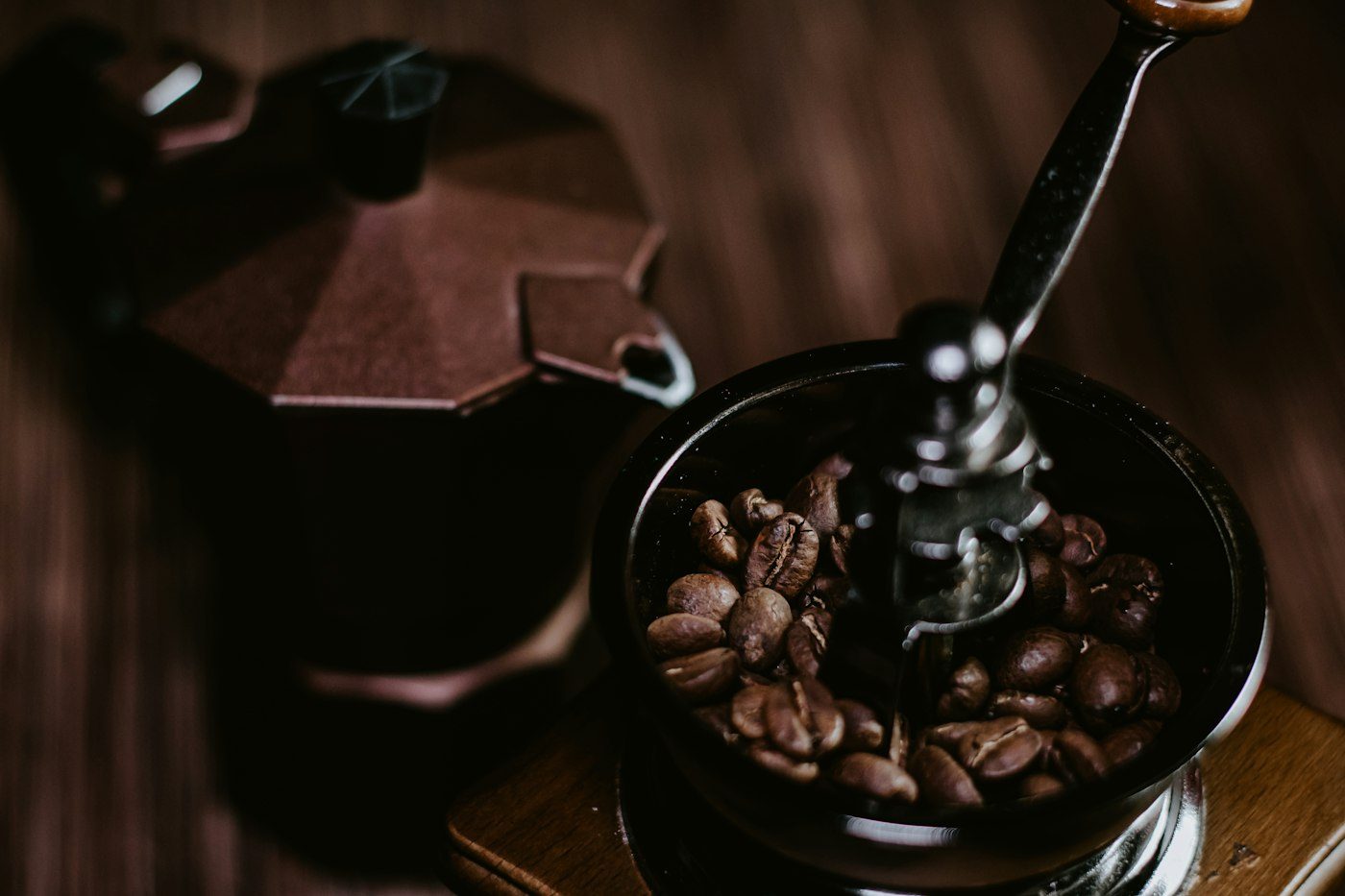
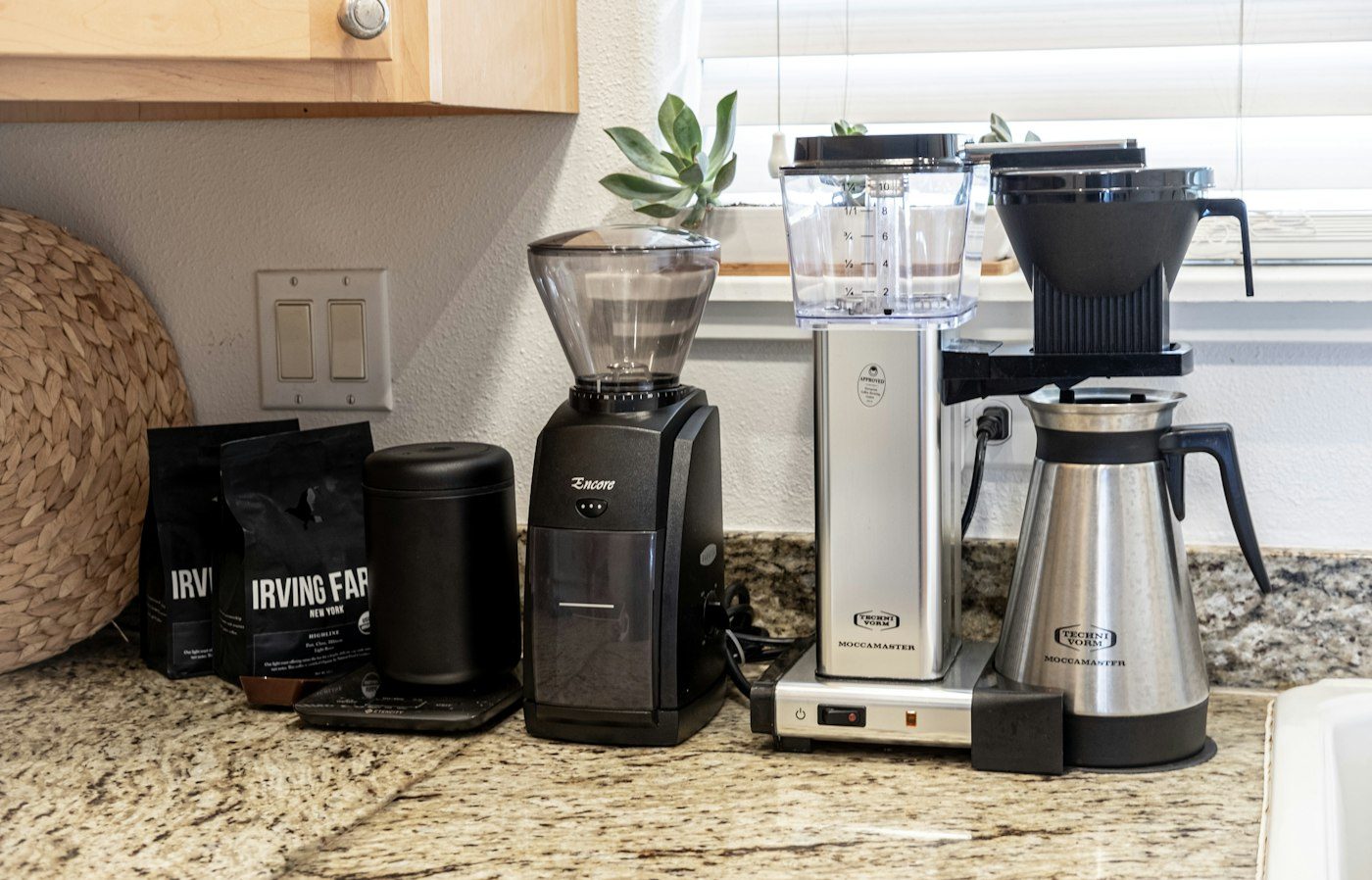
The Encore is the piece to buy first. It has 40 grind settings, so you can move from coarse for French press to medium for drip and pour over in small steps. The conical burrs cut beans rather than smash them, which gives a more even grind than the blade grinders sold in most stores. That evenness is the main reason a cup tastes better.
It is also simple. There is a hopper for beans, a dial for the setting and a switch. Owners often point to how long the Encore lasts, and Baratza sells replacement parts, so a worn part does not mean a new grinder.
The real drawback is espresso. The Encore can grind finely, but its finest settings are a stretch for most espresso machines, and the steps between settings are too big for dialing in a shot. Skip the Encore if you already know you will buy an espresso machine within a few months. Look at a grinder built for espresso instead. It is also fairly loud, which matters in a small apartment at 6 a.m. Cleaning is easy: brush out the grounds every week or two and wipe the hopper.
Fellow Stagg EKG
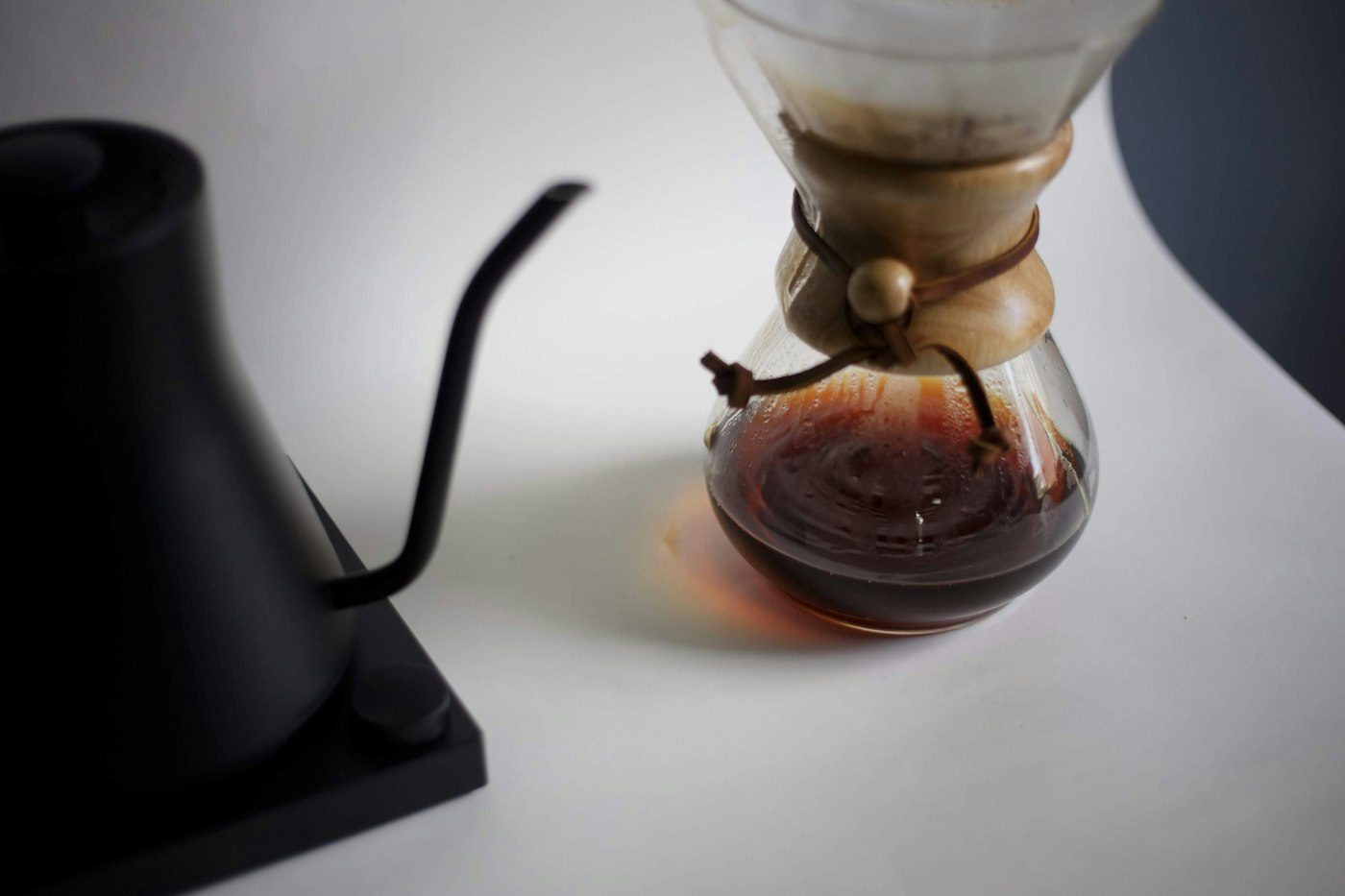
The Stagg EKG is a gooseneck electric kettle. The long, thin spout gives you control over where the water lands and how fast it flows. That control is what makes pour over reliable instead of messy. You set a temperature, such as a little below boiling for coffee or lower for green tea, and the kettle heats to it and holds it for about an hour.
For a beginner this removes a guess. You do not need a separate thermometer, and you do not need to wait for water to cool after boiling. It also looks good on a counter, which counts when it lives there every day. The handle and spout are made for slow, steady pours, so a beginner can get an even soak of the grounds without much practice.
The drawback is that it is a specialist tool. It holds a small amount of water, so it is poor for filling a pasta pot. It is also one of the more expensive kettles of any kind. Skip it if you drink coffee from a drip machine or French press, where a spout does not matter. A regular electric kettle will do that job for much less.
Breville Bambino
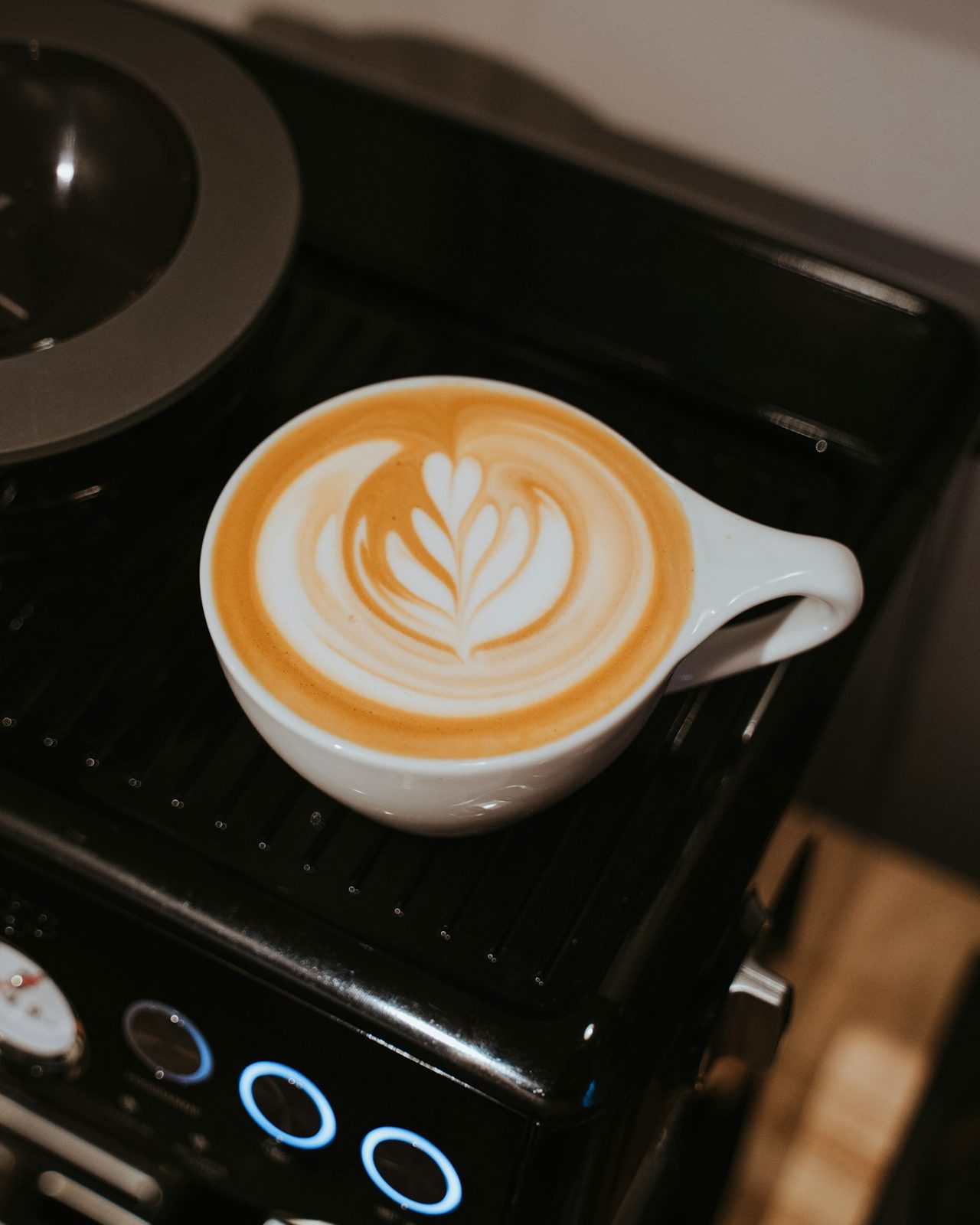
The Bambino is a compact espresso machine. It heats up in a few seconds, so you can make a shot before the toast is done. The steam wand lets you texture milk for lattes and flat whites. It is small enough for a crowded counter, and it needs less warm up time than many larger machines, so a weekday morning stays short.
It is the upgrade, not the start, for two reasons. Espresso has a steeper learning curve than pour over. You will waste beans while you learn to adjust grind, dose and time. And espresso needs a grinder that can make fine, adjustable grounds, which may mean a second grinder beyond the Encore.
The drawback is the learning curve plus the grinder cost. Skip the Bambino if you drink black coffee, if you want a one-button cup, or if you are not sure you will use it daily. A pour over setup costs less and teaches you what you like first. It also needs regular cleaning of the steam wand and a descale now and then, so count that as part of the daily routine.
What to know before you buy
Do I need all three pieces? No. Most beginners need only the grinder. Add the kettle if you want pour over. Add the espresso machine only if you want espresso drinks every day. Many good home setups stop at two pieces.
Can I use the Encore for espresso? Only barely. It works for pour over, drip, French press and similar methods. For espresso, plan on a grinder made for it.
Is fresh ground really that different from pre-ground? Yes, for most people. Ground coffee loses aroma fast. Grinding right before you brew keeps more flavor. The even grind from a burr grinder also matters.
Do I need a scale? It helps, but it is not required to start. A scale lets you repeat a good cup. A tablespoon measure is fine for your first month. If you later want repeatable cups, a basic kitchen scale from our other guides will do the job.
What about beans? Buy a small bag from a local roaster or a store with a roast date on the bag. Fresh beans matter as much as gear. Store them in a sealed container away from heat and light, and buy only what you will use in a few weeks.