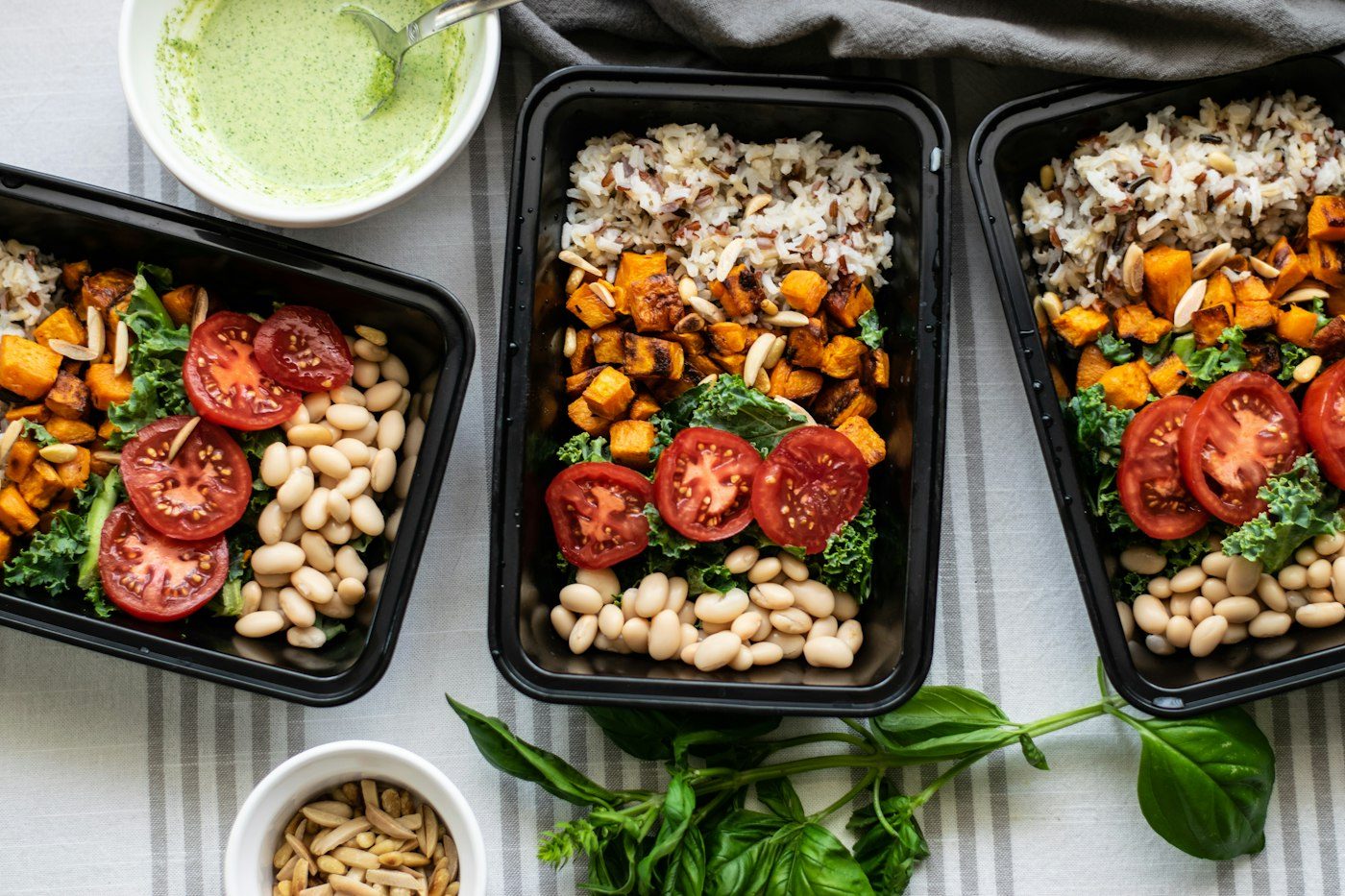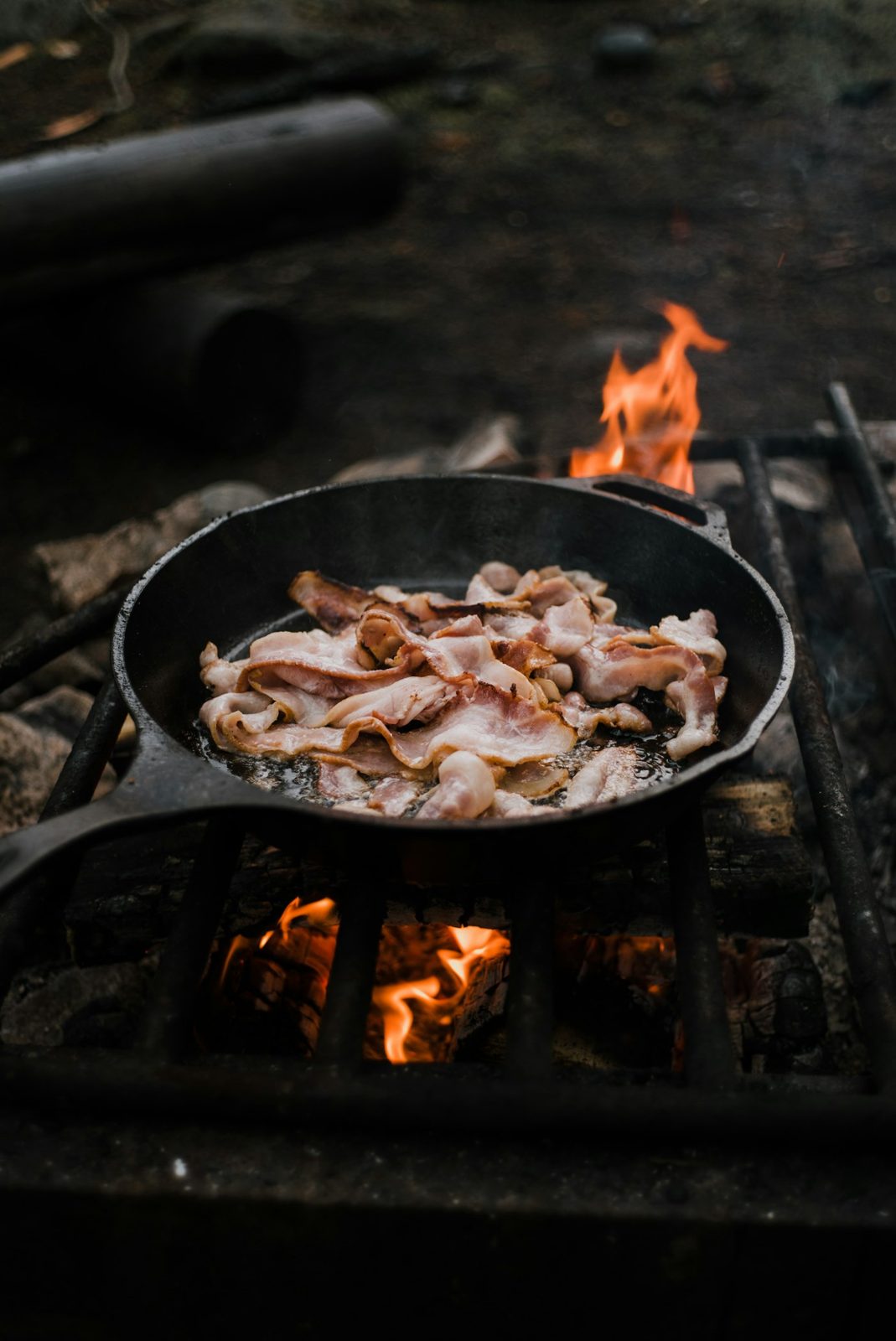
A vacuum sealer is worth it for a family that buys meat in bulk, freezes leftovers or hunts and fishes. It is not worth it if your freezer holds mostly boxes and bags from the store.
The machine pays for itself through less waste, not through special tricks. If you throw out food because of freezer burn, a sealer can fix that.
What it does for freezer burn
Freezer burn happens when cold, dry air pulls moisture from the surface of food. The meat turns gray, dry and tough. Air in the package causes it. A vacuum seal removes most of the air, so the food keeps its texture much longer.
Makers of sealers claim food lasts several times longer. Treat any exact number with caution, since it depends on the food and your freezer. The direction is clear: less air means less burn.
The bulk buying math, in bands
Family packs of chicken, ground beef or pork shoulder are often cheaper per pound than small trays. The saving is often somewhere between 10 and 30 percent, depending on the store and the week. Check the unit price on your own shelf.
A sealer lets you split a big pack into meal sized portions and freeze them flat. That saving only counts if you use all of it. If you now throw out one pack in ten, the sealer cuts that loss.
Add the bag cost. Rolls and pre cut bags are a recurring cost. They cost more per bag than a zip bag. The cost per meal is small, but it adds up if you seal every day. Count it as a few percent off your savings, not as a surprise.
A rough rule: if you buy bulk meat at least once a month, a sealer will likely pay back within a year. If you buy it twice a year, it likely will not.
When a zip bag and a straw is enough
The water displacement method works with any freezer zip bag. Put the food in, close the bag most of the way and lower it into a bowl of water. The water pushes the air out. Seal the last inch.
The straw version is simpler still: close the bag around a straw, suck out the air and pinch it shut as you pull the straw out. Both methods cost nothing and suit a few packs a month. They do not seal as tightly for long storage, and they fail with wet marinades that can leak.
Other things a sealer does
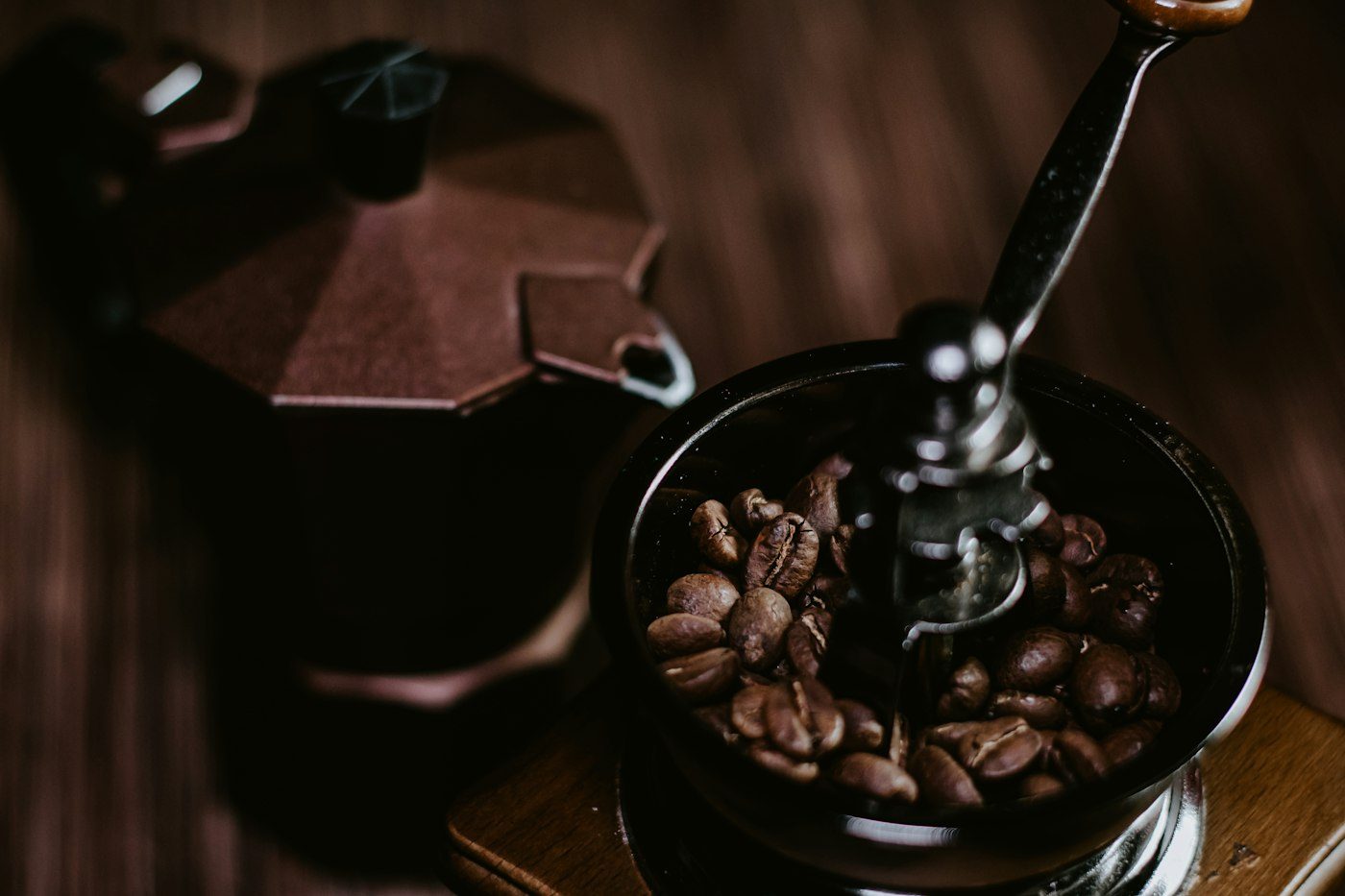
- It keeps dry goods, such as coffee beans, nuts and flour, fresh in a bag or jar.
- It prepares food for sous vide cooking, where a bag must be airtight.
- It slows mold on a block of cheese.
Skip the sealer for soft, crushable things like bread or berries. They squash. Freeze berries on a tray first.
The sealer to look at
This FoodSaver model is a countertop machine that uses FoodSaver bag rolls, so confirm that you are willing to buy them. We have not tested it, so this comes from its specs and owner reports. Skip it if you have a small kitchen, since it takes counter space.
If you cook big batch meals, an Instant Pot pairs well with a sealer. You cook a large pot, then seal and freeze portions for busy nights.