If you want dinner fast on a weeknight, buy the Instant Pot. If you want deep browning, crusty bread, and a pot that does everything on the stove and in the oven, buy the Dutch oven. We did not cook with either one. This comparison comes from specs, owner reports, and how each pot suits the job.
The differences that matter
| Instant Pot Duo | Le Creuset Dutch oven | |
|---|---|---|
| What it is | Electric pressure cooker with slow cook, rice, and steam modes | Enameled cast iron pot with a lid |
| Speed | Fast. Tough meat and dry beans cook in a fraction of the time | Slow. Braises take hours in the oven |
| Browning | Weak. The thin base browns unevenly | Strong. Heavy iron holds a hard sear |
| Bread | Not suited to baking a loaf | Bakes a crusty no-knead loaf |
| Hands on | Set it and walk away, with a timer and safety lock | Needs a watch on the heat and the clock |
| Power | Needs an outlet | Works on any stove, in the oven, or on a grill |
| Storage | A big appliance. Takes counter or cabinet space | A heavy pot. Takes a low shelf or a stovetop |
| Price band | Mid range | One of the most expensive pots in this category |
When the Instant Pot wins
Choose the Instant Pot when time is the problem. Dry beans go from the bag to the table without an overnight soak. Chuck roast, pork shoulder, and chicken carcasses for stock all finish in a short pressure cycle.
It also suits cooks who like to walk away. You set the pot, lock the lid, and the machine holds the pressure. Nothing scorches at the bottom while you help with homework.
Rice, steamed vegetables, and yogurt are also easy in this one pot. If you want one appliance that replaces a rice cooker and a slow cooker, this is the pick.
The cost is flavor. Pressure cooking does not brown food the way a hot iron pot does. You can use the sauté mode first, but the thin base browns less evenly. Food also comes out softer and more uniform, which some people like and some do not.
When the Dutch oven wins
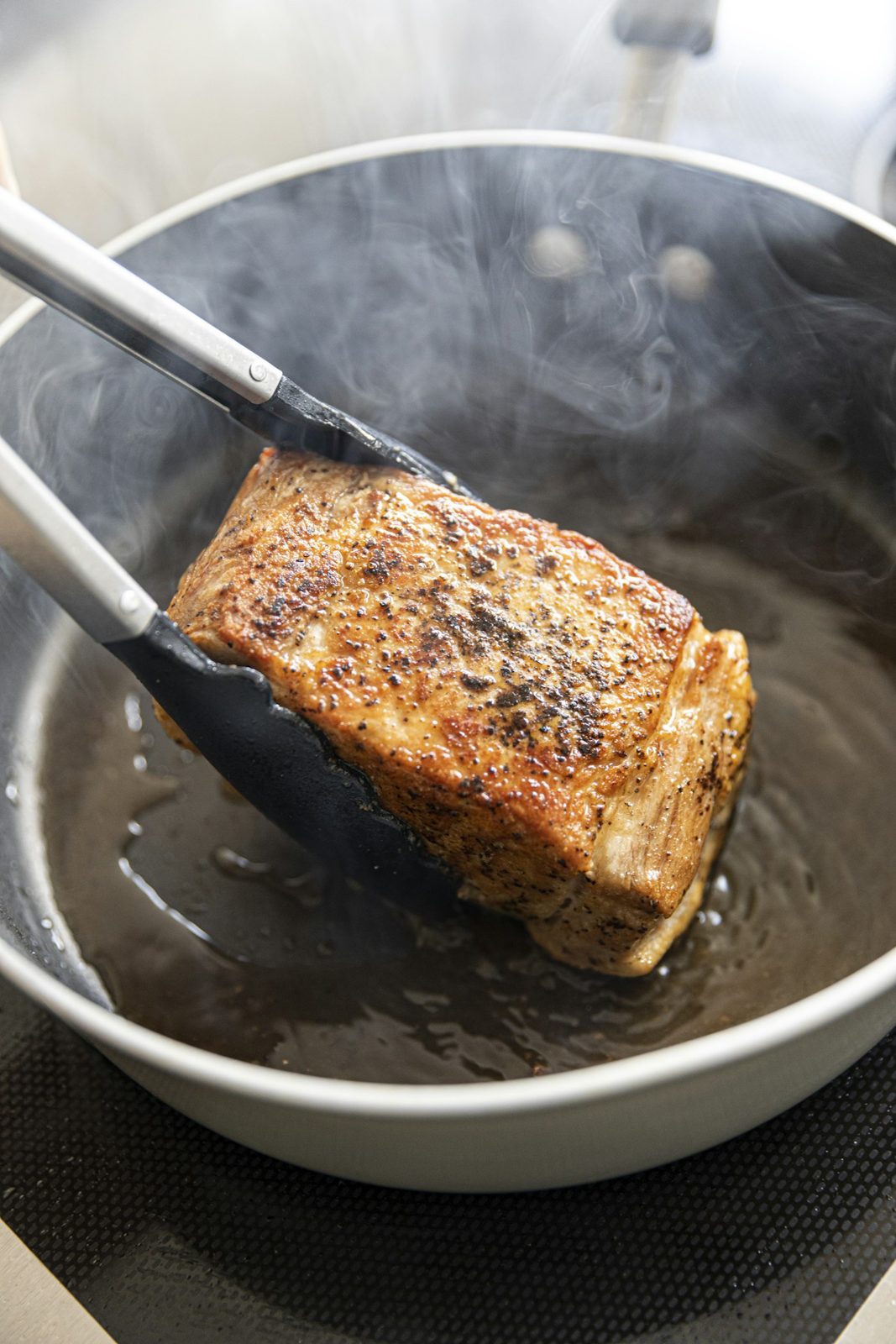
Choose the Dutch oven when flavor and browning matter most. Heavy cast iron holds heat well, so a pot roast gets a deep brown crust before it braises. The browned bits on the bottom become the base of the sauce.
It also does something the Instant Pot cannot do: bake bread. A no-knead loaf in a preheated covered pot gets a crisp crust because the lid traps steam. That one use pays for the pot if you bake bread each week.
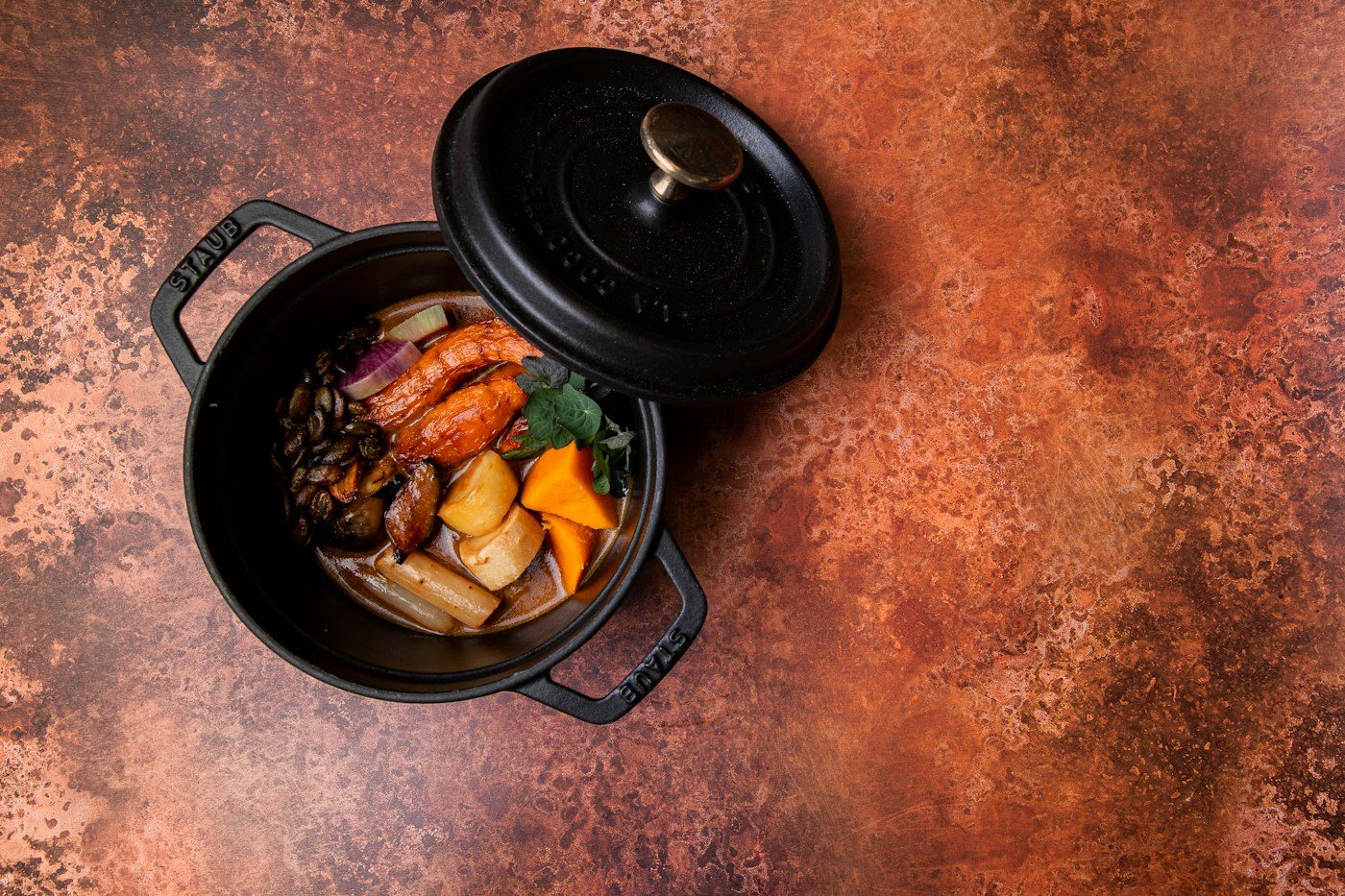
A Dutch oven is also one pot for soups, stews, braises, chili, and deep frying. It goes from the stove to the oven, so a braise needs no second dish. Enamel does not need seasoning, and it lasts for decades with care.
The cost is time and weight. Braises take hours, and beans need soaking or a long simmer. A 5 to 7 quart pot is heavy, especially when full. Sudden temperature changes or hard knocks can chip the enamel.
Who should buy neither
Skip both if you cook for one person and mostly make eggs, sandwiches, and stir fry. Neither pot helps with that, and a good skillet will do more.
Skip the Instant Pot if you hate learning a new appliance or have no outlet space. Skip the Dutch oven if you cannot lift a heavy pot or you worry about scratching a glass top stove. A pot you dread using stays in the cabinet.